A plot can make a strong first impression. A good view, peaceful surroundings, plenty of space and perhaps even the sea on the horizon. But when planning to build a house in Bulgaria, appearance is only one part of the picture. The main question is whether the house you have in mind can be built on the land legally, technically and in practical terms.
The first step is to check whether the plot is intended for construction. In Bulgaria, buyers often come across the term UPI, which means a regulated land plot. This status is generally closer to what is required for residential development, but on its own it does not guarantee that the plot is fully suitable for building a house.
You need to check the designated use of the land, whether residential construction is permitted and whether there is a PUP, or Detailed Development Plan. The PUP shows what may be built, where the building may be positioned and which planning rules apply to the plot.
The situation is different when the land is agricultural. Such a plot may be larger and less expensive, but that does not mean a house can be built on it. Changing the land designation can be a lengthy and not always predictable process. However, with the right partner who understands the local procedures and manages the process lawfully, this type of opportunity may still be worth considering.
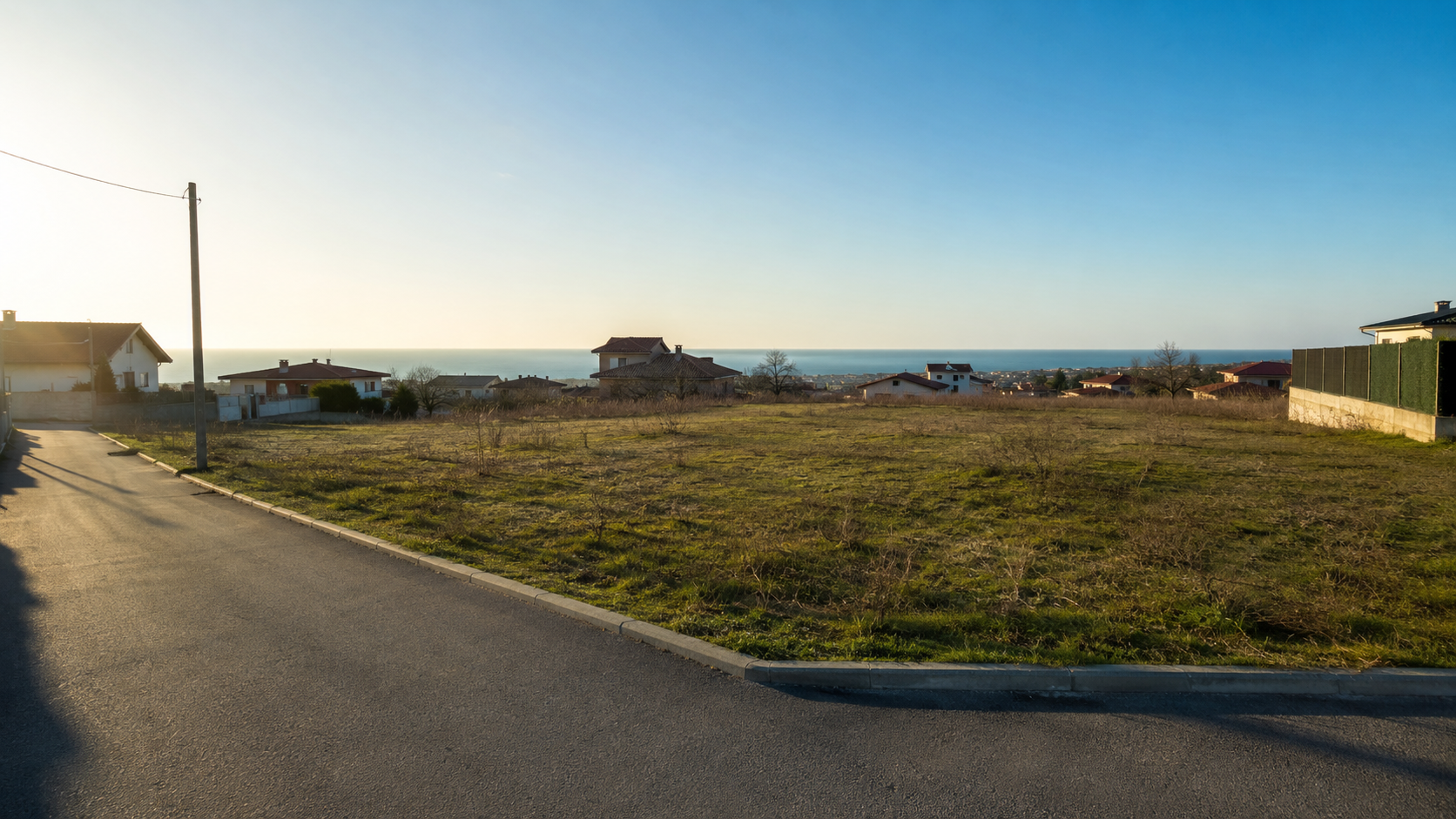
Even when the plot is regulated, the future house must comply with the applicable rules. It is important to consider not only the total land area, but also the development parameters.
These may include building density, intensity, permitted height, setbacks from the boundaries, landscaping requirements and the possible position of the building. A plot may appear large, but once setbacks, terrain and access are taken into account, the usable construction area may be much smaller.
At this stage, an architect or planning specialist can be very useful. They can help determine whether the house you have in mind can be realised on the plot or whether the design will require substantial changes.
A plot must have proper access. It is not enough for there to be a dirt road nearby or for a neighbour to say that “everyone uses it”. Access should be checked both in the documents and on site.
If the road is not legally established, construction may become more complicated. This can also affect the future value and liquidity of the property. Access matters every day, during construction, in winter, after heavy rain and for normal year-round living.
Electricity, water, sewerage, internet and road infrastructure are often where the true cost of a plot becomes apparent.
A plot may initially seem affordable, until the buyer discovers that electricity is far away, the water connection is uncertain, there is no sewerage or the access road needs improvement. In some areas, a septic tank or another technical solution may be required, but it is better to understand this before the purchase rather than afterwards.
The important question is not only whether utilities are available somewhere nearby. It is necessary to establish whether the specific plot can actually be connected, how long this may take and what the likely cost will be.
The slope, soil, drainage and orientation of the plot can affect both construction costs and the comfort of the future house. A sloping plot may offer a better view, but it can also increase design and construction expenses. Poor drainage may cause problems after heavy rain. An irregular plot shape may limit the layout of the house.
The surroundings are also important. A quiet field today may become a road, a new development zone or another project in the future. The area around the plot should therefore be checked through planning documents, rather than assessed only by what can be seen during the viewing.
Before paying a deposit, it is advisable to review the ownership documents, cadastral information, land status, PUP, access, utilities and any possible restrictions. The plot should also be inspected on site, ideally with someone who understands both the documentation and the practical requirements of construction.
A good plot is more than an attractive location. It has clear boundaries, proper access, suitable planning status, realistic utility connections and a clear understanding of how construction can be started and completed.
A plot suitable for building a house in Bulgaria cannot be assessed only by its view and price. It must comply with the legal requirements, meet the technical conditions and be suitable for practical use.
If you are considering land in Varna or the surrounding region, BulgarHouse can help you check the plot before purchase, review the documents, access, cadastre, development parameters and utilities, and determine whether the land is genuinely suitable for the house you want to build. We support our clients at every stage, helping not only with the selection of the plot, but also with the realisation of their goals, from the initial idea to the completed house. Our team is always available to answer questions and support you throughout the process.